
Brain Health & Exercise (Part One)
Emerging research has shown a deep connection with brain health and strength training exercise. What is brain health? It is more than just memory and forgetting as you age. According to the World Health Organization, brain health is a multidimensional concept which includes cognitive, emotional, and functional abilities. More than 16 million Americans are currently living with some form of cognitive impairment and the scale is continuing to grow. The CDC suggests that up to 45% of dementia cases may be influenced by lifestyle-related factors. This suggests that there can be a window where interventions can make a difference in the outcome. Exercise is a part of that conversation.
Some cognitive change is expected when aging. Brain processing speeds slow down. The executive function in the brain, which manages decision-making and planning, becomes more difficult to activate and use. Brain structures like the hippocampus also lose volume over the course of time. These changes show up in everyday activities. For the older adult it could mean trouble managing medications, challenges in driving, navigating conversations, or increased fall risk. For many aging adults, it comes down to keeping and maintaining their independence for as long as they can. The trend is to have their exercise goals reflect that and not just on the aesthetics of being fit, but to be able to live their life on their own terms.
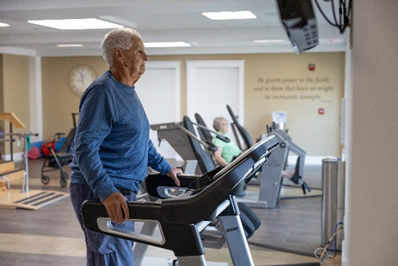
Often when one hears of strength training it has been associated with physical benefits like improved muscle strength, balance, and mobility. All of which are true, but recent research has shown that it goes deeper than that and appears to have a connection to your brain health. In our Part 2 post, we will explore more specifically how exercise improves brain function. Exercise activates biological processes that support the health of our brains and preserves independence over time.
Some of the takeaways from recent research are that intensity, progression, and frequency are three critical factors that can make or break your exercise program. Intensity of the moderate to high resistance shows stronger cognitive effects compared to the very light training. How does one know the intensity is moderate to high level? It will vary for everyone. It should feel that the effort in doing the exercises is about 7-8 out of 10. You need to feel that the exercise is a challenge without completely overloading your body and causing injury, but not too light to where your body and brain are not challenged.
Progression is just as important as intensity. If your strength training is not progressing over time and the body is not being challenged and strength built, then all benefits will plateau both physically and cognitively. Safe progression in your exercise program can come in different ways, but you will need to be able to measure your progress. Gradual increases in resistance is a safe practice to use. You normally do not want to make drastic jumps in resistance quickly as it can cause injury and overload your body. Plus, it can be discouraging if your body is feeling sore all the time or if you have pain. Gradual increases still challenge the brain and body and are better in the long run.

Any exercise program should have the ability to have progress measured. In our Six Ten Fitness Program, our Six Ten Members can see their progress with various reports on the different machines they work out on. The specialized machines were developed by a company called HUR. The machines use air resistance which means there is no need to have to lift and put on a bar before performing the exercise. The resistance and machine settings are programmed into a bracelet. The program keeps track of the data the members perform. It keeps track of repetitions performed completely in each set, the amount of resistance, number of visits, and more. Members can see personalized reports from the data that is collected from the machines.
Frequency is another factor that has an impact on being able to receive the benefits of strength straining. Strength or resistance training is recommended 2-3 times a week, especially for the older adult. This helps maintain consistency with their exercise program which is imperative for the other two factors, intensity and progression, to have a real impact on your health.
Research on the connection between exercise, specifically strength training, and brain health are still being developed. The research shows not only are there physical benefits of strength training, but also cognitive benefits as long as there is intensity, progression, and frequency at the optimal levels to challenge your body. Our next part in the Brain Health & Exercise blog will dive deeper into the functions of the brain and explore how exercise activates certain aspects of the brain to support cognitive health.
General information in the post was taken from article Can Strength Training Improve Brain Health As We Age? by Trisha Bolthouse published May 11th, 2026 and updated on May 22nd, 2026. This article can be found at https://hurusa.com/category/strength-resistance-training/ .

If you are wanting more information on our Six Ten Fitness Program, please contact Whitley Jones @ 309-460-1125.


Comments